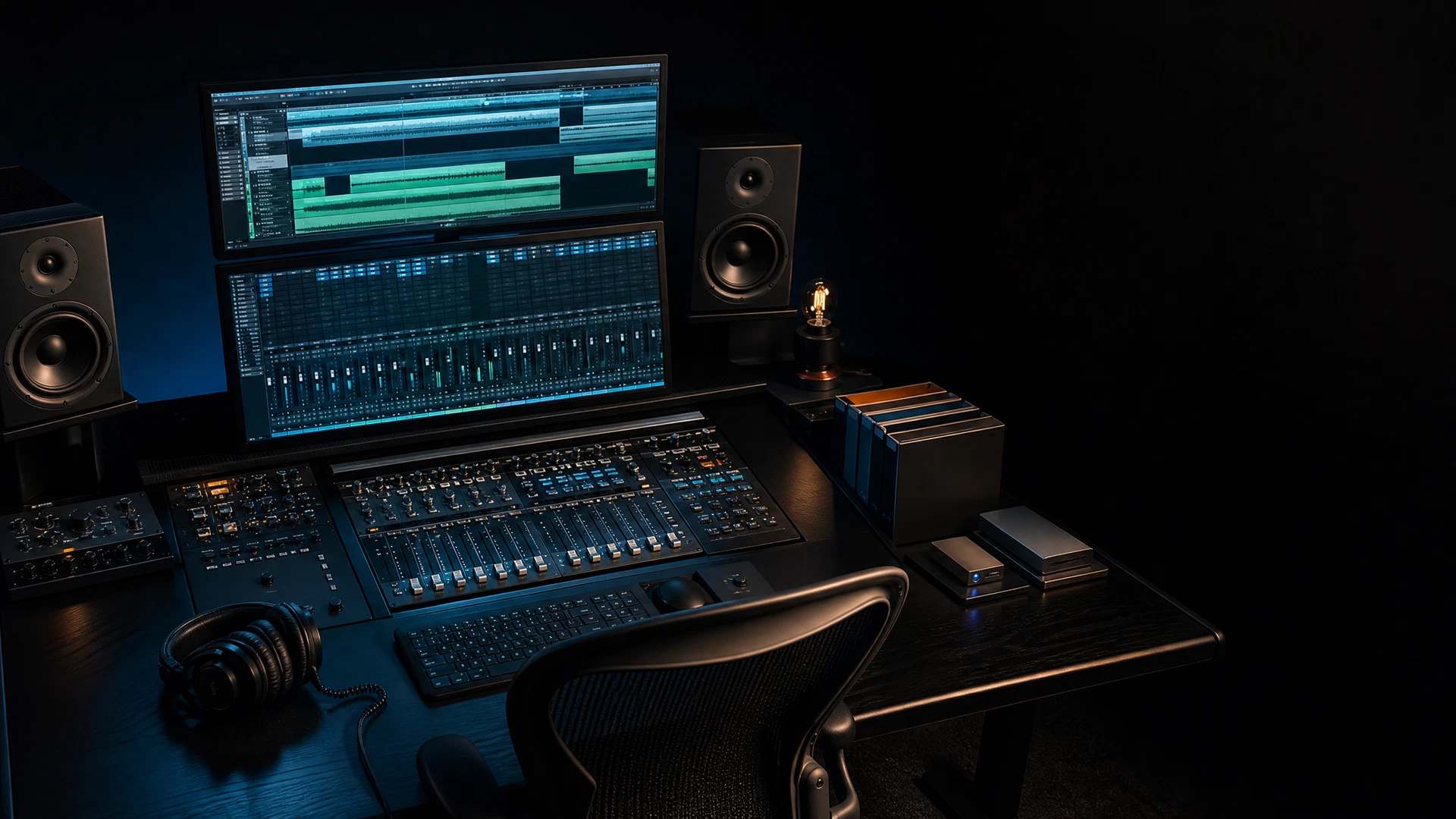
What remote mixing actually changes
Remote mixing changes the handoff, not the standard. Instead of attending a mix session in person, the artist sends organized audio files and project context to the engineer. The creative conversation still matters. A well-prepared remote project can give the engineer the same clarity needed to make deliberate mix decisions.
The key is to separate what is essential from what is optional. Essential material includes the final audio exports, tempo information where useful, and clear contact information. Helpful context includes references, a rough mix, lyrics, and notes about what must remain prominent.
Export files that are easy to trust
Export each track from the same starting point so all files line up when imported into a new session. Name tracks clearly and avoid processing that is only meant to make a demo louder unless it is a creative sound that must stay. A clean export prevents unnecessary questions and reduces setup time.
If the project has a rough mix that communicates the intended feel, include it. The rough is a reference, not a technical requirement. It tells the engineer what the artist has been responding to while leaving space for a more balanced final mix.
- Export all audio from the same bar or timestamp
- Use clear names such as Lead Vox, Hook Double, 808, or Guitar Lead
- Include tempo and key information when available
- Send a rough mix and two commercially released references
Write notes that make decisions easier
Good mix notes describe priorities rather than trying to direct every setting. Explain what the listener should notice first, which moments need energy, and which creative sounds are intentional. Flag any vocal phrases, transitions, or effects that should not be lost.
A short notes document can be more useful than a long list of plugin requests. The engineer needs the goal, the emotional direction, and the moments that matter most to the artist.
Understand the revision stage
Revisions are most productive when feedback is organized and specific. Collect feedback in one place, listen on more than one system, and identify timestamps for the changes that matter. Consolidated notes keep the conversation focused on the record instead of generating conflicting rounds of adjustments.
Remote mixing works best as a collaboration with clear handoffs. Organized delivery, references, and useful notes make it easier to preserve the artist's identity while improving clarity, depth, balance, and translation.
Frequently Asked Questions
Do I need to be in Houston to use remote mixing?
No. Remote mixing is designed for artists who can deliver organized project files and communicate goals clearly, regardless of location.
Should I send stems or individual tracks for remote mixing?
The required delivery depends on the project. Individual tracks provide the greatest flexibility, while organized stems can work when the production is already committed. Confirm the preferred format before exporting.
What makes a remote mixing revision useful?
A useful revision note is consolidated, specific, and tied to a timestamp or a clear musical moment. It explains the result you want to hear rather than only naming a technical tool.