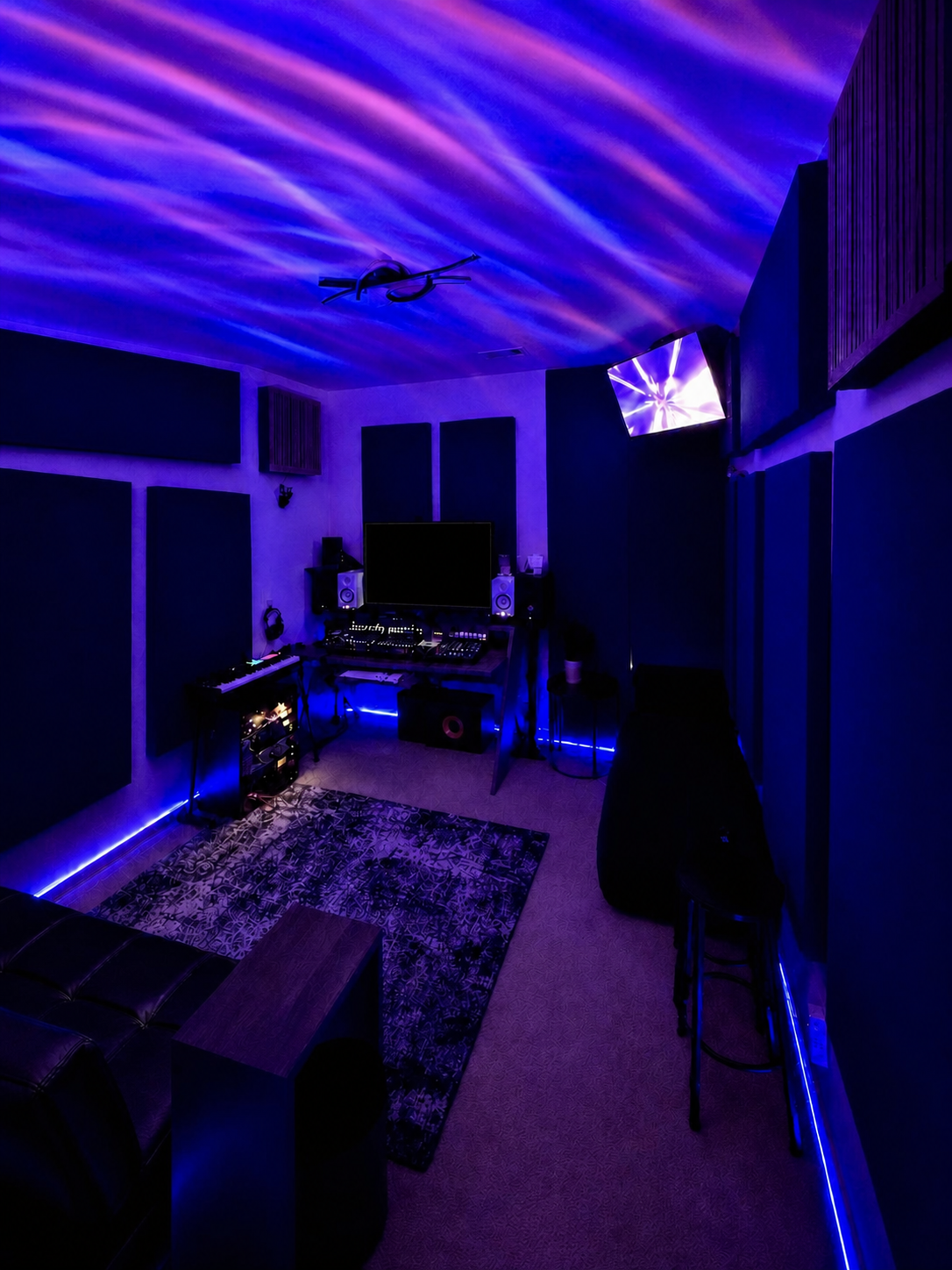
Recording is where the source and performance become real
Recording is the stage where the performance, arrangement, and source sound are captured. The choices made here influence every later decision: microphone placement, vocal comping, instrument tone, timing, energy, and the amount of detail the mix will need to reveal or support.
A productive session starts with a clear song priority. Bring the approved instrumental or session materials, know the structure, and decide which vocal layers or production elements must be completed before the day ends. This keeps the recording stage focused on creative capture rather than unfinished logistics.
Mixing creates the perspective of the record
Mixing turns individual recorded elements into one deliberate listening experience. It balances lead vocal, drums, bass, instruments, effects, and space so the song communicates clearly at the moments that matter. The mix is where a record gains depth, focus, movement, and translation across everyday playback systems.
Mixing works best after the source choices are approved. When the artist, producer, and engineer know which takes and arrangement decisions are final, the mixer can make confident creative choices instead of building around temporary material.
Mastering is the final presentation and release check
Mastering happens after the mix is approved. It considers the completed record as a finished presentation, helping it translate consistently and sit appropriately beside the rest of a release. For an EP or album, mastering also considers sequence, level relationships, and continuity from track to track.
The cleanest release path is simple: capture a performance with intention, approve the mix, then prepare a final master and delivery files. Keeping those stages distinct does not make the process less creative. It gives each decision the listening context it needs.
Frequently Asked Questions
Should I master a song before mixing is finished?
No. Mastering is most useful after the mix, arrangement, and creative priorities are approved.
Can recording and mixing happen in the same project?
Yes. They often inform one another creatively, but a final mix benefits from a dedicated perspective once recording choices are committed.
What should I decide before booking a recording session?
Decide the song priority, session goal, final instrumental or project materials, vocal arrangement, and the next stage you expect after recording.